
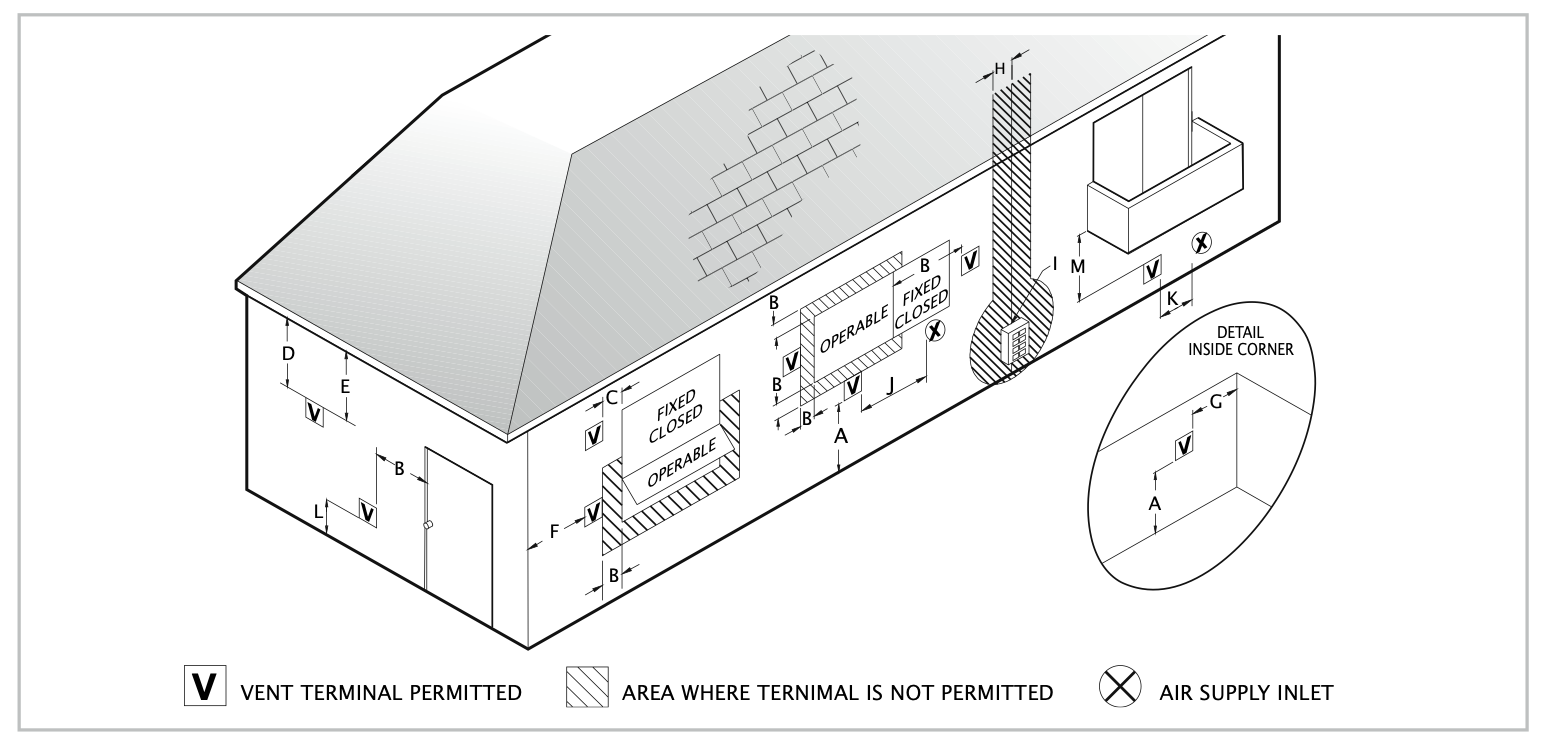
Why Are Proper Clearances Important When Installing a Tankless Water Heater? Proper clearances are critical when installing a tankless water heater because they directly affect safety, ventilation, maintenance access, performance, and warranty compliance. Here are the five key reasons:
1. Safety: Tankless water heaters generate heat to heat water on demand. They require adequate space around the unit to ensure proper airflow and prevent overheating. Without proper clearances, the unit may overheat, leading to potential safety hazards such as fires or damage to the unit.
2. Ventilation: Tankless water heaters produce combustion gases that need to be vented safely. Clearances are necessary to ensure that the venting system functions properly and efficiently. Insufficient clearances can cause carbon monoxide (CO) or other harmful combustion gases to accumulate, creating a serious health and safety risk for building occupants. CO is odorless and colorless, making proper venting especially critical.
3. Maintenance and servicing: Tankless water heaters require periodic maintenance and servicing. Sufficient clearances make it easier for technicians to access the unit for inspections, cleaning, and repairs. Inadequate clearances can make maintenance tasks difficult or even impossible, leading to inefficient operation, voided service agreements, or the need for more extensive repairs.
4. Performance: Proper clearances allow for optimal performance of the tankless water heater. With adequate space, the unit can draw in the necessary combustion air and expel exhaust gases effectively, ensuring efficient operation and consistent hot water supply. Insufficient clearances can restrict airflow and impact the unit's performance, leading to reduced efficiency and potential damage.
5. Warranty requirements: Virtually all tankless water heater manufacturers specify minimum clearance requirements as a condition of their warranty coverage. Failure to adhere to these clearance specifications will void the warranty, leaving you responsible for any repair or replacement costs. Always review your model's warranty documentation before installation.

To ensure a safe and code-compliant installation, always follow the manufacturer's installation manual and your local building codes for clearance requirements. These documents specify the minimum required distances between the unit and combustible materials, walls, ceilings, floors, and adjacent structures. Common clearance ranges vary by model and fuel type — for example, many gas-fired units require a minimum of 12 inches of side clearance and 12 inches above the unit, while electric models may require less. Note that clearance requirements differ between gas-fired and electric tankless water heaters, and between indoor and outdoor installations — always verify the specifications for your specific model and consult standards such as NFPA 54 / ANSI Z223.1 (National Fuel Gas Code) where applicable.
💡 Pro Tip: We recommend consulting a licensed plumber or HVAC contractor with experience in tankless water heater installations. A qualified professional will ensure your installation meets all safety standards, clearance requirements, and local code compliance — giving you peace of mind and protecting your warranty.